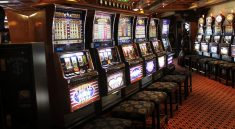
Slot machines, often simply called “slots,” stand as one of the most iconic and enduring forms of entertainment within the gambling world. From their humble mechanical beginnings to the sophisticated digital versions that dominate online casinos today, slots have evolved dramatically, captivating millions with their blend of chance, excitement, and innovation. This article delves into the rich history, mechanics, varieties, and cultural significance of slot machines, offering insights into why they continue to enchant players worldwide.
The Origins of Slot Machines: From Mechanical Marvels to Modern Icons
The story of slot machines began in the late 19th century. The first true slot machine, known as the Liberty Bell, was invented by Charles Fey in 1895. This simple mechanical device featured three spinning reels adorned with five symbols — horseshoes, diamonds, spades, hearts, and a cracked Liberty Bell. Players pulled a lever to spin the reels, hoping to line up matching symbols for a payout.
-
Mechanical Beginnings: These early machines operated entirely through mechanical gears and springs, relying on physical spinning reels.
-
Electromechanical Advancements: By the mid-20th century, electromechanical slots incorporated electrical components to improve reliability and introduce new features such as multiple paylines.
-
Digital Revolution: The 1970s ushered in the era of video slots, replacing physical reels with digital screens and allowing for more complex game designs and bonus features.
Understanding the Mechanics of Slot Machines
At their core, slot machines are games of chance powered by random number generators (RNGs), ensuring each spin is independent and unpredictable. While the fundamental goal is to align specific symbols on paylines, the structure beneath the surface is a sophisticated blend of probability and game design.
-
Reels and Symbols: Traditional slots typically feature three to five reels with various themed symbols. The number of reels and symbols directly affects the number of possible combinations.
-
Paylines: These are the patterns across the reels that determine winning combinations. Modern slots can have anywhere from a single payline to hundreds or even thousands.
-
Random Number Generator (RNG): This algorithm ensures fairness by randomly determining the outcome of each spin, preventing predictability or manipulation.
-
Return to Player (RTP): Expressed as a percentage, RTP indicates the expected payout over time. A higher RTP suggests better chances of winning in the long run, though each spin remains unpredictable.
The Diversity of Slot Machines: Classic to Cutting Edge
One reason slots have maintained their popularity is the incredible variety they offer, catering to a wide range of tastes and preferences.
-
Classic Slots: Often referred to as “fruit machines,” these emulate the original three-reel, single-payline experience. Their simplicity appeals to purists and beginners alike.
-
Video Slots: These utilize high-definition graphics, sound effects, and animations to create immersive themes — from ancient civilizations and fantasy worlds to popular movies and music.
-
Progressive Jackpot Slots: Linked across multiple machines or even casinos, these slots pool a portion of each bet into a growing jackpot, sometimes reaching life-changing sums.
-
3D and VR Slots: As technology advances, slots now feature 3D graphics and virtual reality environments, offering unparalleled immersion and interaction.
Why Do People Love Slots? The Psychology Behind the Spin
Slots combine simplicity with sensory stimulation, creating a potent allure for players.
-
Ease of Play: No complex strategy or skill is required, making slots accessible to virtually anyone.
-
Sensory Engagement: Bright lights, catchy sounds, and engaging animations provide immediate gratification and excitement.
-
Near Misses: Carefully programmed “near miss” outcomes create the illusion of almost winning, encouraging continued play.
-
Bonus Features: Free spins, multipliers, and mini-games add layers of excitement beyond basic spins, holding player interest longer.
Responsible Play and Strategy: Navigating the World of Slots
While slots are primarily chance-based, players can adopt strategies to maximize enjoyment and minimize losses.
-
Set a Budget: Decide in advance how much money you’re willing to spend and stick to it without chasing losses.
-
Choose Higher RTP Games: Opt for slots with better payout percentages to improve long-term prospects.
-
Understand Volatility: Low volatility slots offer frequent small wins, while high volatility games deliver larger but less frequent payouts. Choose based on your risk tolerance.
-
Take Advantage of Bonuses: Many casinos offer free spins and deposit bonuses that provide extra value.
The Future of Slots: Innovation on the Horizon
With rapid advancements in technology, the future promises even more exciting developments for slot enthusiasts.
-
Artificial Intelligence (AI): AI could personalize gaming experiences, tailoring game difficulty, themes, and bonuses to individual preferences.
-
Blockchain Integration: Transparent and secure transactions via blockchain technology may become standard, enhancing player trust.
-
Augmented Reality (AR): Combining digital slot elements with real-world environments could create unique hybrid experiences.
-
Social Gaming: Integration of social media and multiplayer elements might transform slots into interactive community experiences.
Conclusion: The Enduring Charm of Slot Machines
From the mechanical clink of the Liberty Bell to the dazzling digital reels of today’s online casinos, slot machines have captivated audiences with their blend of chance, design, and innovation. Their ability to continuously reinvent themselves while retaining core elements of simplicity and excitement explains why slots remain a cornerstone of gaming culture. Whether you’re a casual player drawn by the flashing lights or a serious enthusiast chasing the thrill of a progressive jackpot, the world of slots offers a timeless and evolving entertainment experience.