The Most Popular Casino Games and Why Players Love Them
The casino gaming landscape is a dynamic mix of chance, calculation, human psychology, and sensory immersion. From the bustling floors of Las Vegas and Macau to digital platforms accessible on smartphones, millions of people engage with casino games every day. While hundreds of game variations exist across global markets, a core group of classic titles continues to capture the vast majority of player interest and wagering volume.
Understanding why specific games dominate the gaming world requires examining the distinct mechanics, psychological rewards, and risk profiles each title offers. Whether driven by the desire for tactical decision-making, social interaction, or instant sensory gratification, players gravitate toward games that align with their personal motivations.
Slot Machines: The Uncontested Kings of the Casino Floor
Slot machines generate the largest share of revenue for physical casinos and online gaming platforms alike. What began as mechanical three-reel devices in the late nineteenth century has transformed into sophisticated digital experiences featuring thousands of paylines, dynamic reel mechanics, and rich cinematic graphics.
Why Players Love Slots
-
Zero Entry Barrier: Slots require no prior knowledge, complex strategy charts, or technical skill. Anyone can step up to a machine or tap a mobile screen and begin playing immediately.
-
Immense Variety: Modern video slots cater to every interest, offering themes ranging from ancient history and mythology to popular television shows and blockbuster movies.
-
Progressive Jackpots: The potential for life-changing payouts on a small wager creates an unparalleled level of excitement. A fraction of every bet across a network of machines contributes to a growing jackpot pool, offering transformative potential return.
-
Continuous Visual and Auditory Feedback: Bright lights, rhythmic soundscapes, and celebratory animations trigger positive psychological feedback loops, ensuring every spin feels engaging regardless of the outcome.
The introduction of dynamic engines, such as variable payline mechanics and cascading reels, has further modernized slots. Players are continually drawn back by the unpredictability and fast-paced nature of each spin.
Blackjack: The Strategic Battle Against the Dealer
Blackjack, historically known as Twenty-One, stands as the most popular casino table game in North America and Europe. Unlike games purely governed by random number generators or mechanical spins, blackjack gives players direct control over their hands, making strategy a critical component of every round.
Why Players Love Blackjack
-
Favorable Mathematical Odds: When played using mathematical basic strategy, blackjack offers one of the lowest house edges in the entire casino, often dropping below one percent.
-
Active Player Choice: Decisions matter in blackjack. Choosing whether to hit, stand, double down, or split pairs directly dictates the hand outcome, satisfying players who prefer active agency over passive luck.
-
Simplicity and Speed: The core objective is easy to understand: construct a hand total closer to 21 than the dealer without busting. Rounds are resolved in seconds, maintaining a steady, engaging rhythm.
-
Direct Dealer Competition: Players do not compete against one another; instead, the entire table shares a common adversary in the dealer. This creates a subtle sense of shared camaraderie among seated players.
The balance of calculated risk and straightforward rules makes blackjack a staple for both casual gamblers and serious mathematical strategists.
Roulette: Iconic Glamour and Pure Anticipation
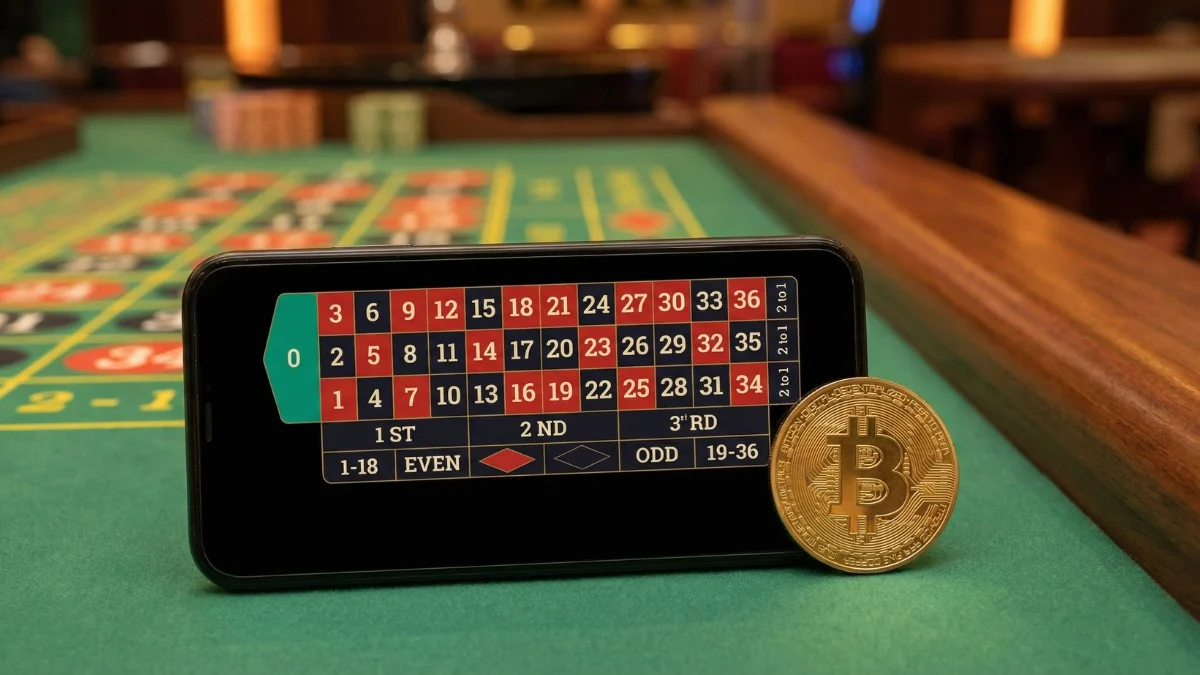
Few sights are as synonymous with casino culture as the spinning roulette wheel. Originating in eighteenth-century France, roulette remains a central feature on gaming floors worldwide, offering a timeless blend of elegance, suspense, and flexible betting options.
Why Players Love Roulette
-
Flexible Risk Levels: Roulette accommodates all risk appetites. Cautious players can place even-money bets like red or black, odd or even, which cover nearly half the wheel. High-risk seekers can target single numbers for thirty-five to one payouts.
-
Shared Visual Suspense: As the ball bounces along the spinning wheel, anticipation builds simultaneously for everyone at the table. That collective moment before the ball settles provides a shared emotional rush.
-
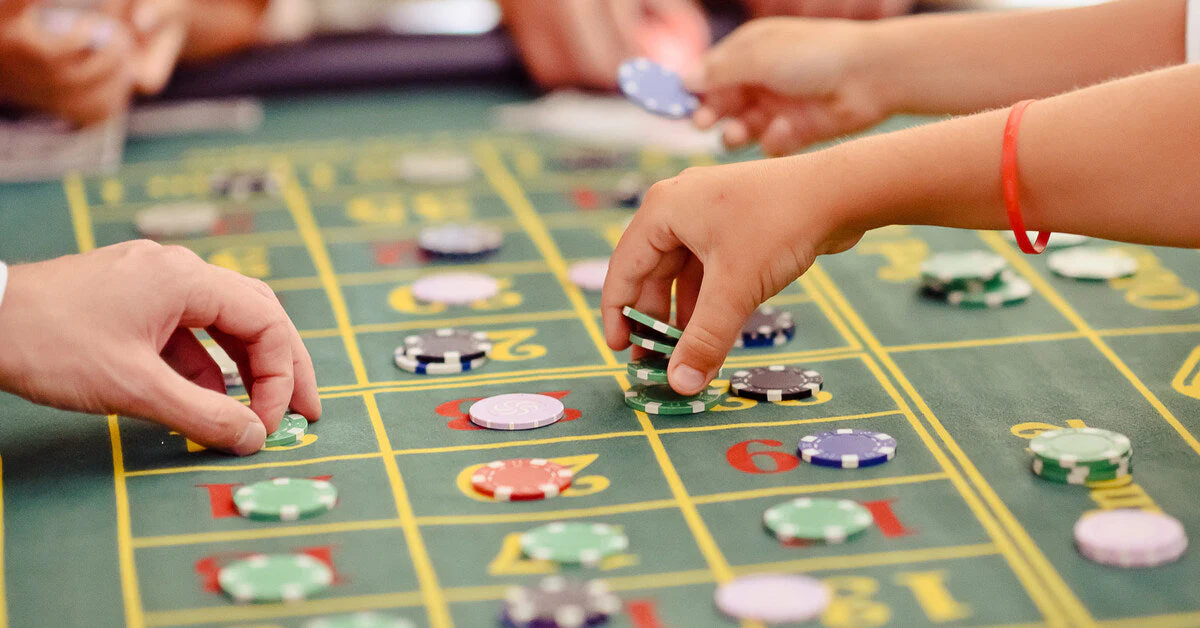
Zero Technical Complexity: Players do not need to memorize hand rankings or probability formulas. Placing chips on a clearly marked felt layout is all it takes to participate.
Whether playing European roulette with its single zero or American roulette with a double zero, players appreciate the pure, unadulterated chance and visual spectacle the game delivers.
Baccarat: High-Stakes Elegance and Favorable Odds
Once considered an exclusive game reserved for high rollers in private VIP rooms, baccarat has expanded into a global favorite, dominating Asian gaming hubs and online live-dealer streams. Its reputation for luxury contrasts with gameplay that is remarkably easy to master.
Why Players Love Baccarat
-
Low House Edge on Banker Bets: Betting on the banker hand carries a house edge of approximately one point zero six percent, making it one of the most mathematically sound wagers in a casino.
-
No Strategy Required: The rules governing whether a third card is drawn are completely automated and executed by the dealer. Players simply choose to bet on the player hand, the banker hand, or a tie.
-
Prestige and Fast Pace: Baccarat retains an air of sophistication while delivering rapid hand resolutions. Variations like speed baccarat allow dozens of hands to be played within minutes.
Because the game removes the stress of decision-making while offering competitive odds, baccarat appeals to players who want a sleek, low-stress gaming session.
Poker: The Ultimate Game of Skill and Psychology
Poker holds a unique position in the gaming world because players compete against each other rather than against the house. The casino simply facilitates the game and collects a small fee, known as the rake. Variations like Texas Hold’em and Omaha have cultivated vast global communities, professional circuits, and televised tournaments.
Why Players Love Poker
-
Dominance of Skill: While short-term hands depend on card distribution, long-term success in poker depends on mathematical reasoning, position awareness, and emotional discipline.
-
Psychological Warfare: Bluffing, reading opponent tendencies, and manipulating table dynamics add a deep psychological layer absent from standard casino games.
-
Infinite Replayability: No two hands play out identically. The endless combination of player personalities, stack sizes, and community cards ensures the game never feels repetitive.
For players who view gaming as an intellectual pursuit rather than a simple wager on chance, poker remains the ultimate platform.
Craps: High-Energy Social Camaraderie
If energy had a physical location inside a casino, it would be the craps table. This dynamic dice game draws large crowds, characterized by cheering, high-fives, and collective excitement as players take turns rolling for luck.
Why Players Love Craps
-
Communal Winning: On fundamental wagers like the pass line, most players at the table win or lose together based on the shooter’s roll. This creates a shared team atmosphere rarely seen in other gambling formats.
-
Low House Edge on Core Bets: Basic bets in craps offer excellent odds, with the pass line carrying a low house edge that can be further reduced by taking free odds bets.
-
Multitude of Betting Combinations: From simple single-roll propositions to multi-stage multi-roll bets, craps offers vast depth for players who enjoy complex wagering layouts.
The roaring atmosphere around a hot craps table remains one of the most distinctive social experiences in entertainment.
Key Psychological Drivers Across All Popular Casino Games
While each game features distinct rules and mechanics, several overarching psychological factors explain why casino games maintain their enduring appeal across generations.
-
Intermittent Rewards: The unpredictability of wins creates a powerful neurological response. Variable reinforcement schedules keep the human brain engaged, as the next spin, roll, or deal always holds the potential for success.
-
The Illusion of Control: Games that incorporate physical actions, like rolling dice, throwing chips, or making strategic hitting choices, give players a sense of personal involvement in the outcome.
-
Sensory Immersion and Escapism: Casino environments and digital platforms create captivating spaces through sound, lighting, and visual design, offering a temporary retreat from daily routines.
Frequently Asked Questions
What is the difference between house edge and return to player percentage?
House edge represents the mathematical advantage the casino holds over the player over time, expressed as a percentage of total wagers made. Return to player percentage is the inverse metric, indicating the average proportion of wagered money a game pays back to players over millions of rounds.
Which casino game offers the best mathematical odds for a novice player?
Blackjack offers some of the best mathematical odds when played using basic strategy, reducing the house edge to under one percent. Baccarat is another excellent option for beginners, as betting on the banker hand requires no skill and maintains a low house edge of around one point zero six percent.
Why do slot machines make up the largest percentage of casino floor space?
Slot machines generate high profit margins per square foot while requiring minimal staffing compared to table games. Additionally, consumer demand for slots is exceptionally high due to their ease of play, diverse themes, and potential for large jackpot payouts.
How does live dealer technology impact the popularity of online table games?
Live dealer technology bridges the gap between digital convenience and the authentic atmosphere of a physical casino. Real human dealers run games in real time via high-definition video streams, reassuring players regarding game fairness and adding a social dimension to online play.
What role does bankroll management play in long-term enjoyment of casino games?
Proper bankroll management ensures that players set strict budget limits before playing, allowing them to enjoy gaming as entertainment without financial strain. Allocating specific session stakes helps mitigate emotional decision-making during losing streaks.
Are certain casino games better suited for players who prefer low volatility?
Yes, games like baccarat, European roulette even-money bets, and basic strategy blackjack feature lower volatility, meaning payouts occur relatively frequently, albeit at smaller multipliers. In contrast, progressive slots represent high-volatility games with infrequent but substantial potential payouts.
How do European and American roulette wheels differ in terms of player odds?
European roulette wheels feature thirty-seven pockets with a single zero, resulting in a house edge of two point seven percent. American roulette wheels feature thirty-eight pockets, including both a single zero and a double zero, which increases the house edge to five point two six percent.