Mobile Blackjack Trends Reshaping Casino Gaming
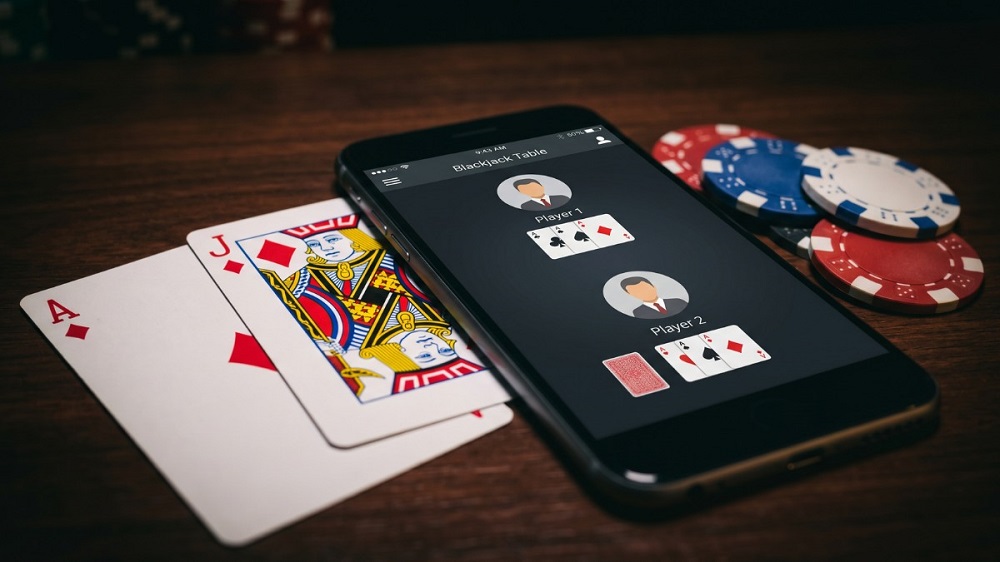
Mobile sports betting and digital casino games have experienced explosive growth over the past decade, driven by widespread smartphone adoption and high-speed cellular networks. While slot machines and digital poker frequently capture headlines, mobile blackjack has quietly emerged as the primary catalyst transforming digital table games.
Once viewed as a simplified, single-player digital compromise compared to physical casino tables, mobile blackjack has evolved into a highly interactive, fast-paced, and technologically advanced experience. Developers are continually leveraging cutting-edge mobile hardware, low-latency streaming networks, and data analytics to reimagine how card games operate on smaller screens.
Understanding the mobile blackjack trends reshaping casino gaming highlights how technology, changing consumer demographics, and software engineering are redefining the broader digital gambling ecosystem.
High-Definition Live Dealer Networks and Ultra-Low Latency
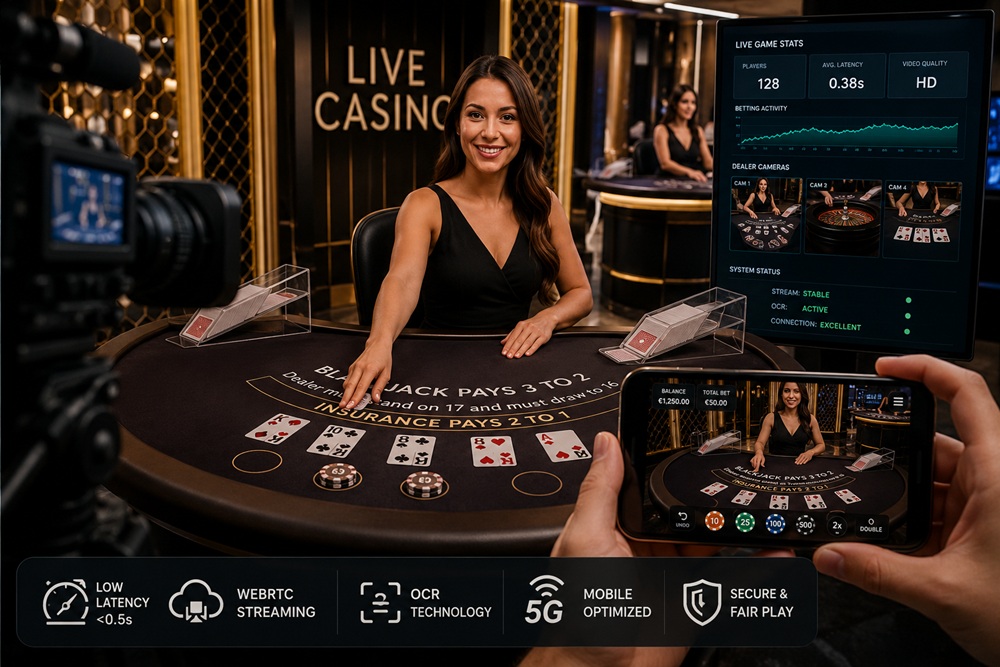
The single largest trend propelling mobile blackjack forward is the refinement of live dealer technology for mobile devices. In the early days of mobile casino apps, live streaming was notorious for lag, buffering, and awkward camera angles optimized only for desktop monitors. Today, dedicated streaming studios utilize multi-camera portrait setups and edge computing to deliver seamless high-definition video directly to mobile handsets.
The Impact of 5G Connectivity
The global expansion of 5G cellular networks has fundamentally solved latency issues for live dealer mobile games. With data delay dropped down to mere milliseconds, players can place side bets, choose to hit or stand, and communicate with human dealers in real time without screen freezing or missed betting windows.
-
Adaptive Bitrate Streaming: Mobile blackjack applications dynamically adjust video quality based on cellular signal strength, preventing game disconnection during transitions between cellular towers or Wi-Fi networks.
-
Portrait-First Camera Studio Design: Modern live casino studios feature vertical camera angles specifically calibrated to match how users hold their smartphones with one hand.
-
Interactive Optical Character Recognition (OCR): Advanced camera technology instantly scans physical cards dealt by a human dealer, translating physical data into digital screen overlays within fractions of a second.
Mobile-Optimized User Interfaces and Gesture Control
As software design shifts toward mobile-first development, blackjack interfaces have undergone a massive overhaul. Early mobile apps attempted to replicate full physical tables on small screens, resulting in tiny buttons, cluttered screens, and frequent mis-taps. Contemporary design prioritizes minimalist layouts and intuitive gesture-based controls.
One-Handed Ergonomics and Natural Inputs
Modern mobile blackjack games allow players to execute core strategies effortlessly using familiar natural gestures. Instead of hunting for small digital text buttons:
-
Tapping the Table Area: Tapping directly on the virtual card layout signals a request for a hit.
-
Swiping Horizontally: Swiping across the cards signals a decision to stand.
-
Double Tapping or Pinching: Double tapping easily executes a double down or split maneuver without requiring secondary menu navigation.
These ergonomic improvements streamline gameplay, allowing for faster hand completion times and a significantly reduced cognitive burden on the player.
Micro-Betting, Side Bets, and Multipliers
Traditional blackjack is celebrated for having one of the lowest house edges in the casino when played with basic strategy. However, modern mobile players—particularly younger demographics raised on fast-paced mobile apps—often seek higher volatility and faster action. Developers have responded by integrating micro-betting options, dynamic multipliers, and diverse side bets into standard mobile blackjack interfaces.
High-Volatility Gameplay Innovations
-
Randomized Win Multipliers: Popular mobile variants assign random win multipliers to specific cards or hands prior to the deal, allowing a winning twenty-one hand to pay out at scaled odds like 50-to-1 or 100-to-1 instead of the standard 3-to-2 payout.
-
Expanded Side-Bet Arrays: Interfaces now support effortless, one-tap wagering on side markets like Perfect Pairs, 21+3, Bust It, and Royal Match alongside the main hand bet.
-
Bet Behind Functionality: To eliminate player queues at full seven-seat live tables, mobile platforms allow unlimited users to bet behind active seated players, ensuring instant entry into the action.
Artificial Intelligence and Personalized Gaming Experiences
Artificial intelligence is playing an increasingly vital role in how mobile blackjack platforms engage, retain, and protect players. Rather than presenting every user with identical table lobbies, mobile platforms use AI algorithms to tailor the entire lobby environment.
Smart Assist Features and Real-Time Data
-
Custom Table Recommendations: Machine learning models analyze player hand histories, preferred table stakes, game speed, and session duration to display customized table choices upon app launch.
-
Dynamic Strategy Hints: Optional AI coaching tools offer real-time basic strategy tips tailored to the current dealer up-card and player total, helping casual players make mathematically optimal choices without opening secondary web browsers.
-
Real-Time Responsible Gaming Tools: AI models constantly monitor session metrics for signs of emotional distress or risky patterns, such as chasing losses or rapidly escalating bet sizes. When flagged, the app automatically delivers helpful reminders, cool-off prompts, or mandatory limit settings directly to the mobile screen.
Blockchain, Cryptocurrencies, and Provably Fair Architecture
Payment speed and transactional transparency remain top priorities for mobile players. The integration of blockchain technology and cryptocurrency transactions is dramatically altering how funds are deposited, played, and withdrawn in mobile blackjack apps.
Provably Fair Cryptographic Verification
In non-live, random-number-generator (RNG) mobile blackjack games, trust is paramount. Cryptographic provably fair algorithms allow players to independently verify the randomness of every shuffled deck and dealt hand directly from their device, ensuring the operator cannot tamper with game outcomes.
Instant Mobile Wallet Integration
Mobile platforms now seamlessly integrate with web3 wallets and digital payment ecosystems, allowing players to conduct instant deposits and near-immediate withdrawals using stablecoins and cryptocurrencies without waiting for traditional banking clearance delays.
The Rise of Social and Multiplayer Features
Mobile blackjack is shifting away from isolated, solitary digital play and leaning heavily into community and social gaming mechanics. Integrating social components bridges the gap between digital convenience and the communal atmosphere of physical casino pits.
-
Community Chat and Emoji Reactions: Mobile streams allow players to chat with fellow participants at the table, congratulate wins, send animated gifts, and interact directly with dealers.
-
Competitive Mobile Tournaments: Operators regularly run timed mobile blackjack leaderboards, where players compete for prize pools based on chip accumulation or winning streaks during short play sessions.
-
Streamer Integration: Mobile interfaces frequently feature embedded streams where popular content creators broadcast their blackjack sessions, enabling viewers to bet along with them in real time.
Frequently Asked Questions
How does live dealer mobile blackjack differ from standard digital blackjack?
Standard digital blackjack relies on software-driven Random Number Generators (RNG) to shuffle and deal cards using automated graphics. Live dealer mobile blackjack streams a human dealer working in a physical studio dealing real, physical cards equipped with microchips or barcode scanners. This stream is transmitted in high definition directly to your mobile device, allowing you to interact with the dealer and make strategic decisions via interactive screen overlays in real time.
Are mobile blackjack apps secure for real-money transactions?
Licensed and regulated mobile blackjack apps employ strict security protocols comparable to commercial banks. They use end-to-end data encryption, secure socket layer protocols, and biometric authentication options such as fingerprint or facial recognition to protect financial deposits and withdrawals. Always verify that an app holds a valid license from a recognized gaming authority before making deposits.
What is provably fair technology in mobile card games?
Provably fair technology uses cryptographic hashing algorithms to let players verify that every card dealt in a non-live, RNG-driven game was completely random and unmanipulated. Before a hand begins, the server generates a encrypted hash seed that locks in the deck shuffle order. After the hand concludes, players can inspect the seed data to confirm the game outcome was predetermined fairly without platform interference.
Why are side bets becoming so popular in mobile blackjack variants?
Side bets provide high-payout opportunities and added excitement compared to traditional blackjack, which pays standard 1-to-1 or 3-to-2 odds. On mobile screens, one-tap side bet overlays make placing secondary wagers fast and simple, appealing to casual players looking for high-volatility gameplay and larger potential payouts during brief gaming sessions.
Can I play live dealer mobile blackjack on cellular data or do I need Wi-Fi?
Modern live dealer mobile apps are optimized to run smoothly over cellular connections, particularly fast LTE and 5G networks. Advanced video delivery systems adjust adaptive bitrates automatically to prevent screen freezing during connection drops. However, using Wi-Fi remains recommended for extended live dealer sessions to conserve mobile data usage and ensure maximum video quality.
Do mobile blackjack games offer the same odds and payouts as physical casinos?
In most cases, mobile blackjack offers equal or superior odds compared to physical land-based casino tables. Because digital platforms operate with significantly lower overhead costs, they frequently offer single-deck games, favorable surrender options, and traditional 3-to-2 payouts on natural blackjacks, whereas many physical casinos have shifted toward less favorable 6-to-5 payout structures on lower-tier tables.